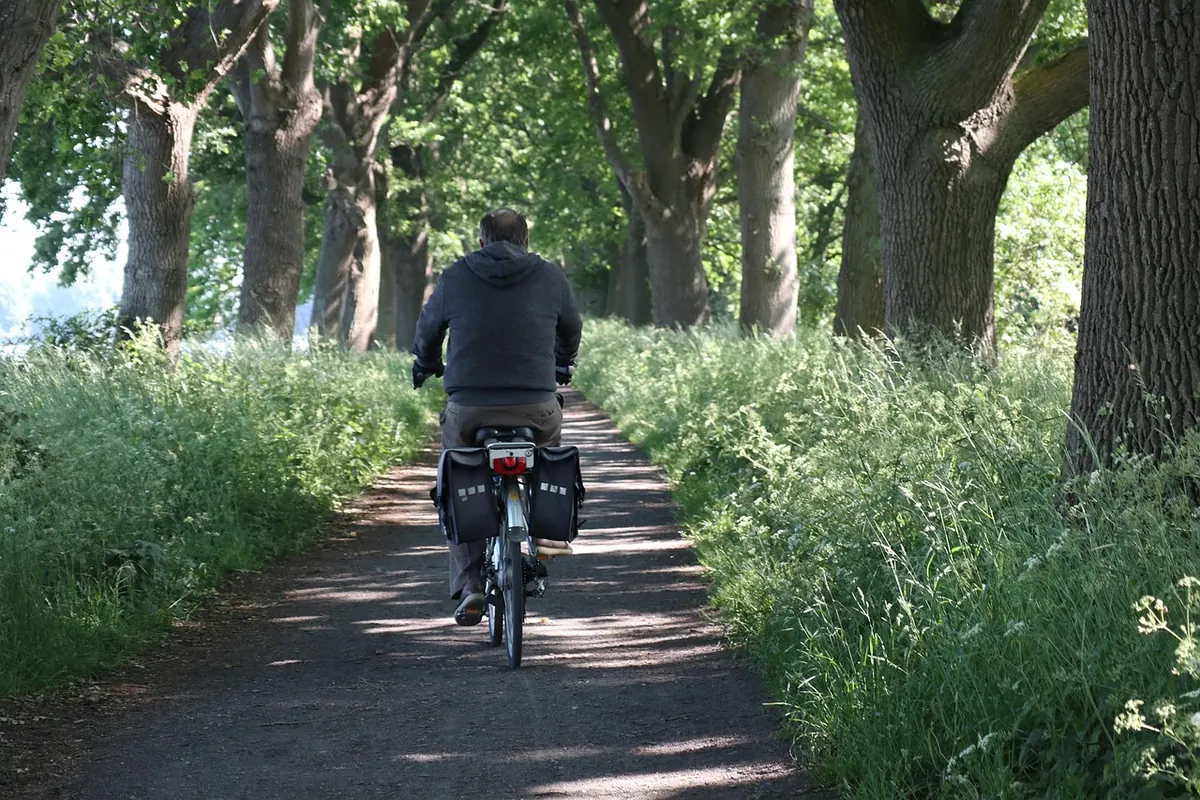
Vale Bay's coastline is generous to beginners. The paths are mostly well trodden, the landmarks are easy to follow, and there is usually somewhere to sit down, turn around or cut the walk short if the weather turns. That combination makes it a good place to learn how coastal walking works: how the tide reshapes a route, how quickly conditions change, and how much difference a decent pair of shoes makes.
What follows covers the easy routes worth starting with, the safety habits that matter most, and the wildlife you might see along the way. None of it requires specialist gear. A little planning is enough.
Getting to Know the Coast
Vale Bay's shoreline changes character in short distances. Near the harbour you get flat, paved ground, railings and benches. Move a few hundred metres north and the path lifts onto low cliffs, where the surface turns to packed earth, stone steps and the occasional muddy patch. Further along, the cliffs give way to sand and dunes, and the walking becomes softer underfoot.
That variety is the point. It means you can choose a route by how much effort you want, rather than by how far you are willing to drive. It also means the same stretch of coast can feel completely different at low water and at high water, so it is worth walking a route twice before deciding you know it.
Three Easy Routes for a First Outing
The harbourside amble
Start at the harbour wall and follow the promenade as far as it goes. It is flat, surfaced and rarely takes more than an hour at a gentle pace. Benches appear regularly, which makes it the best option for young children, pushchairs, wheelchairs and anyone easing back into walking. Watch the boats come and go, then treat the return leg as a separate outing if the weather is fine.
The low cliff path to the headland
This is the classic Vale Bay walk: a there-and-back route along the top of the low cliffs, finishing at the headland viewpoint. Allow two hours or so with stops. The path undulates, with a few short climbs and some uneven stone sections, so boots or grippy trainers are better than smooth-soled shoes. Keep well back from the edge; cliff faces here are soft and can give way without warning.
The beach and dune circuit
Best attempted on a falling tide, this route drops onto the sand and loops back through the dunes on a sandy path. Walking on sand uses more energy than you expect, so plan a shorter distance than you would on firm ground. Check the local tide times before you set off, and never let the sea get between you and your exit point.
Tide and Weather: Plan Around Them
The single most useful habit on any coast is knowing the tide. Local tide tables are posted at the harbour and available from the usual online sources; look at the times for the day you are walking, not a rough memory of yesterday's. As a rule, beaches and rock platforms are safest in the couple of hours either side of low water. If you are exploring a bay with a narrow exit, give yourself far more margin than you think you need.
Weather matters just as much. Sea fog can arrive on an otherwise clear afternoon and reduce visibility on the cliffs to a few dozen metres. Wind is worse: a brisk onshore breeze makes exposed headlands uncomfortable and can make rocky ground slippery. Check the forecast in the morning, and be willing to swap the cliff path for the promenade.
If you only remember one thing, remember this: the coast is not a place to push on when conditions are against you. Turning back early is part of the skill, not a failure of it.
Safety Essentials
- Tell someone your plan. Route, rough timings and expected return. Mobile signal is patchy on parts of the cliffs and dunes.
- Wear shoes with grip. Wet stone, seaweed and wooden steps are far more slippery than they look.
- Carry water and a snack even on short walks. Sea air is dehydrating and hunger makes people careless near edges.
- Take a layer and a waterproof. Coastal temperatures drop quickly once the sun goes in or the wind picks up.
- Keep back from cliff edges and loose slopes — including for photographs. Framing a shot is not worth the risk.
- Have a backup plan and a charged phone. Note the nearest access point to the beach in case you need to leave early.
If you have a medical condition that could affect you on uneven ground or in remote spots, speak to your GP before attempting the longer sections, and walk with someone else rather than alone.
Wildlife: What You Might See and How to Behave
The bay is at its best for wildlife early in the morning and in the hour or two either side of high water, when birds are pushed closer to the shore. Depending on the season, you may spot wading birds working the mudflats, gulls and cormorants on the rocks, and seals hauled out on quieter stretches. Rock pools at low tide are full of crabs, anemones and small fish — and are best explored with hands rather than nets.
The rules are simple. Keep your distance, particularly from seals and from any animal that looks like it is resting or feeding. Move slowly, keep noise down, and never chase a bird to make it fly. Nesting birds on cliffs and dunes are easily disturbed, and disturbance of protected species can be an offence, so stay on the path in marked areas and keep dogs close and under control.
Footpaths, Dogs and Everyday Etiquette
Most of the coastal path crosses working land or land managed for wildlife. Close gates behind you, use stiles rather than climbing walls, and do not step into fields of crops to get a better view. Take litter home, including fruit peel and dog waste bags — leaving a bag by the path is worse than not picking it up at all.
Dogs are welcome on much of the route but should be on a lead near livestock, around nesting areas and anywhere the path runs close to a drop. If your dog is unsure around other walkers or livestock, choose the promenade instead. It is just as pleasant.
Planning Your First Walk
Start with the harbourside amble on a day when the forecast is settled. Check the tide table in the morning, put a water bottle and a light waterproof in a small rucksack, and tell someone where you are going and when you expect to be back. Walk out for half the time you have available, then turn around — that way you finish with energy to spare rather than counting steps back to the car.
Once that feels easy, move on to the cliff path at the headland, ideally on a dry day with good visibility. Leave the dunes and the full beach circuit until you are confident reading the tide and the weather, and take a friend the first time. Walk it a few times across the seasons and you will start to notice the small things: which rocks the cormorants prefer, where the sand shifts, which gusts come over the headland in the afternoon. That local knowledge is what turns a pleasant stroll into a proper coastal walk.
Photo: MLARANDA / Pixabay