A beach day looks effortless in photographs. In reality it involves a car park queue, a child who needs the loo the moment you sit down, and one shoe abandoned somewhere near the rock pools. None of that ruins the day. It only ruins it if you spend forty minutes trudging back to the car for something you left behind.
Packing well for the coast is less about buying gear and more about thinking through the whole day: the walk down, the hours on the sand, the damp and sandy journey home. Do that once and the rest is easy.
Sun protection comes first, everything else second
Coastal sun is deceptive. The sea breeze keeps you cool while the UV does its work, and thin cloud does not block much of it at all. Apply a broad-spectrum sunscreen of at least SPF 30 at home, twenty minutes before you leave, and then reapply every couple of hours, plus straight after swimming or towelling dry. Spray formulas are quick but easy to under-apply; cream tends to give better coverage on wriggling children.
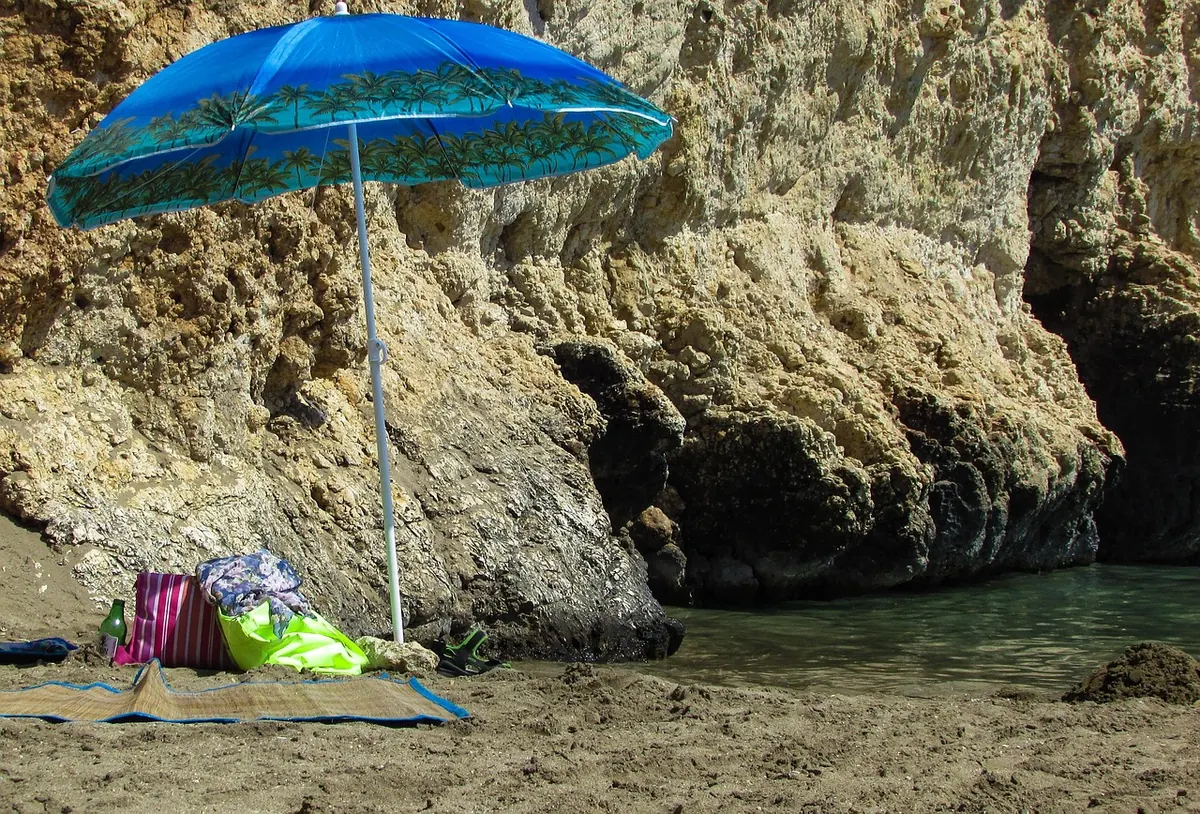
Hats with a brim, sunglasses and a long-sleeved cotton shirt or rash vest for the middle of the day will do more than any single bottle of lotion. Bring proper shade too, whether that is a pop-up tent, a parasol or a windbreak you can angle against the sun. On breezy days, fill the sand bags or weigh the legs down with your cool box, because a shelter that takes off across the beach is worse than no shelter at all.
Keep very young babies out of direct sun altogether, and if you are unsure what is suitable for young or sensitive skin, ask a pharmacist rather than guessing.
Layers, spares and sensible footwear
Even on a warm day the temperature drops when the wind turns or the sun goes behind the headland. Pack one more layer per person than you think you need: a fleece, a hoodie, a lightweight waterproof. Children who have been in and out of the water all afternoon get cold quickly.
Footwear matters more than most people expect. Hot sand and shingle are painful, rock pools are slippery, and the path back to the car is rarely smooth.
- Trainers or closed shoes for the walk down
- Water shoes or old trainers for rock pools and pebbles
- Flip-flops for the sand, but not for scrambling
- Socks, because dry socks after a paddle feel like a luxury
Towels are the other thing people under-pack. Two per child is not excessive: one for the body, one to sit on or wrap around wet shoulders. Bring a separate bag for wet costumes and towels so the car does not smell of seawater for a fortnight.
Food and drink that survives the trip
Freeze half-filled water bottles the night before. They keep the cool box cold on the way and melt into drinking water by lunchtime. Pack food in sealed boxes rather than loose bags, and keep everything in the shade once you arrive.
Choose things that cope with heat and wind: fruit, oatcakes, malt loaf, wraps, pastries, nuts, chopped vegetables. Chocolate and crisps are a losing battle. Keep chilled food properly cold and if anything has been sitting warm for hours, throw it away rather than risk it. A bin bag and a roll of kitchen paper earn their place in the bag every single time.
Tide times, flags and the safety bits people skip
Check the tide table before you leave, not when you arrive. You want to know the time of high water and whether the tide is coming in or going out. Coves and headlands around the bay can be cut off surprisingly fast, and a sandbank that was walkable at noon may be underwater by three.
Pick a landmark on the beach as a meeting point and show it to everyone before you put the bags down. "By the blue flag near the slipway" works far better than "by our towels".
Where lifeguards are on duty, swim between the flags. Where they are not, treat the sea as a paddle rather than a swim, keep children within arm's reach, and leave inflatables at home on days with an offshore wind. If you are unsure about local conditions, ask at the harbour office or a nearby shop; people who work by the water usually know exactly what it is doing.
The family essentials checklist
- Sunscreen, lip balm, after-sun or moisturiser
- Hats, sunglasses, spare hair bands
- Water bottles, cool box, freezer blocks
- Packed lunch, snacks, a treat for the journey home
- Two towels per person, plus a picnic blanket
- Complete change of clothes per child in a dry bag
- Windbreak, folding chairs, bucket and spade, ball
- First aid kit: plasters, antiseptic wipes, any regular medicines your family uses
- Nappies, changing mat and a bag for used ones
- Phone in a waterproof pouch, power bank, cash or card for parking
- Bin bag, wet wipes, hand gel
If you are carrying it all yourself
A rucksack beats a shoulder bag every time on sand, and two lighter bags beat one heavy one. Use a carrier rather than a pushchair if your route involves steps or pebbles, and leave the non-essentials in the boot: the second cool box, the spare chairs, the bodyboard nobody has touched since 2019. Photograph the car park sign or note the row number before you walk away. Beach car parks all look identical at six in the evening.
The ten-minute departure check
Before you pull out of the drive, run through this: tide times noted, weather and wind checked, sunscreen already applied, bottles filled and frozen, parking paid or app downloaded, and someone at home told roughly where you are going and when you expect to be back.
That is the whole system. Ten minutes of thinking saves an hour of walking back up the hill, and it leaves you free to do the things that actually make the day: building the same sandcastle three times, hunting for crabs in the shallows, and eating slightly gritty sandwiches while the tide creeps closer to the towels.