Vale Bay is small enough to cross on foot in half an hour, and that shapes the way you eat here. The harbour, the seafront and the few streets behind them hold almost everything worth booking, and the best meals tend to come from following your nose rather than a spreadsheet. Even so, a little local knowledge saves an evening of wandering between menus. What follows is how the dining scene fits together, what it does well, and how to eat properly if you are vegetarian, vegan, or dining with someone who has an allergy.
How the Dining Scene Fits Together
Vale Bay does not have a restaurant district so much as three overlapping ones, and knowing which is which stops you from walking past the place you actually wanted. The whole town is walkable, but the character of each zone is different enough that it is worth choosing deliberately.
- The harbour side — white tablecloths, a printed catch board, and prices that reflect the view. This is where you go for a long lunch or an occasion dinner. Book ahead in summer; the good tables face the water and there are only about twenty of them.
- The seafront strip — casual, louder, open later. Fish and chips, grilled mackerel in a paper cone, ice cream after. Nothing here is trying to be clever, and that is the point.
- The back streets — a handful of small rooms behind the high street that most visitors never find. This is where the town's own residents eat on a Tuesday: bistro cooking, short menus, good bread, and a wine list written by hand.
The practical rule is simple. If you want the view, pay for it at the harbour. If you want value and a table without a wait, walk two streets inland. If you want the best cooking in Vale Bay, it is usually in the smallest room, in the back streets, with a menu that changes more often than the website does.
Seafood: What to Order and When
Seafood is the reason most people come, and it is genuinely good here — but it is seasonal in a way that menus sometimes hide. Boats go out when the weather allows, which means the catch board on a windy Tuesday can look very different from the one on a calm Friday.
Reading the catch board
The best sign that you are in the right place is a board that lists fewer than eight fish, names the day, and includes at least one thing you have not heard of. A chalkboard with thirty items is almost always a freezer with a chalkboard attached. Look for:
- Whole fish, grilled simply — sea bass, bream or mackerel, usually priced by weight. Ask the server to show you the fish before it is cooked; anywhere honest will.
- Shellfish that is local — mussels, scallops and crab are the strengths. Prawns are often imported, so ask.
- Something smoked on site — smoked mackerel pâté, smoked haddock at breakfast. It is a good indicator of a kitchen that cooks rather than assembles.
- The daily special that is not fish — if the kitchen is confident enough to offer a slow-cooked lamb or a mushroom risotto alongside the catch, the fish will be treated well too.
“If the boat is in, order the boat. If it isn’t, order the roast.” — the advice a Vale Bay landlord gives every visitor who asks.
Lunch is the smarter play for seafood: the same kitchens, often the same fish, noticeably cheaper, and you get daylight on the water. Dinner at the harbour is lovely, but you are paying for the lamps.
Sunday Roasts: The One Meal Worth Booking
Vale Bay takes its Sunday roast seriously, and it is the single meal most likely to catch visitors out. Three or four pubs and a couple of the back-street bistros serve one, and they sell out — sometimes by early afternoon, sometimes by the Saturday before.
What makes a good one here is not innovation. It is the trimmings: proper roast potatoes with a crust, Yorkshire puddings that have spent enough time in a hot oven, cauliflower cheese as standard rather than an upcharge, and gravy that comes in a jug rather than a drizzle. Portions are generous, and the pace is slow by design. Plan to be there for two hours.
- Book by Thursday for a weekend table, and ask specifically for a sitting time. There are usually two: an early one around 12:30 and a later one around 2:30.
- Go for the pub, not the restaurant, if you want the full experience — open fires, dogs under tables, a hand-pulled ale to go with it.
- Ask what the vegetarian roast is before you book. This is where menus are weakest, and where a phone call saves disappointment.
Eating Vegetarian and Vegan in Vale Bay
Vale Bay is better than its reputation suggests for plant-based eating, but it is not effortless. The old assumption — that a vegetarian will be happy with a bowl of chips and a side salad — still lingers in a few seafront kitchens. The back-street bistros and the newer cafés are where the real cooking is.
What actually works
- Mediterranean-influenced menus — anywhere with hummus, flatbreads, roasted vegetables and a decent olive oil will treat you well. These kitchens cook vegetables on purpose rather than as an afterthought.
- Asian-influenced small plates — the town's newer openings lean this way, and vegan diners often get the longest list of options rather than the shortest.
- Breakfast and brunch — usually the easiest meal of the day. Look for smashed avocado on sourdough, mushrooms on toast, or a full vegetarian breakfast with halloumi.
- The pub classic, upgraded — a good veggie burger, a beetroot and goat's cheese salad, or a proper nut roast on Sundays.
How to ask
Phone ahead for dinner, especially in high season. Ask two questions: what is your vegetarian main tonight, and is it cooked separately. A kitchen that can answer both without hesitation is a kitchen that has thought about it. If the answer is a long pause, eat elsewhere — there is no shortage of alternatives within a five-minute walk.
Vegans should be more specific. Butter, cream and anchovy in a dressing are the three most common surprises on Vale Bay menus, and all three can usually be removed if you ask before the dish is started rather than after it arrives.
Allergies and Dietary Needs: A Short Script
Seafood towns are wonderful for allergy awareness in one sense — staff know exactly what is in a dish — and difficult in another, because a busy kitchen handles shellfish, nuts, gluten and dairy in a small space. A calm, specific approach works best.
- State the allergy clearly at booking, not at the table. It gives the kitchen time to plan rather than improvise.
- Repeat it to the server when you order, and ask them to note it on the ticket.
- Ask about the fryer. In a seafood town, chips and batter often share oil with battered fish.
- Ask about the grill, the board and the tongs if the allergy is severe. Cross-contact is the real risk, not the ingredient list.
- Carry your own backup — a snack, your medication, and a written card in the local language if you are travelling from abroad.
Timing, Budget and the Small Stuff
Vale Bay eats early by city standards. Lunch runs from noon to about 2:30, dinner from 6:30 with last orders often at 9. Kitchens close when they run out, which happens more often than the opening hours suggest. If there is something you particularly want, order it when you sit down rather than saving it for later in the meal.
Budget-wise, expect a wide spread. A seafront portion of fish and chips costs a fraction of a harbourside three-course dinner, and the back-street bistros sit in between while often being the best value of the three. Tipping is not obligatory; rounding up or leaving ten per cent for good service is plenty.
And one last thing worth saying plainly: the best dining in Vale Bay is rarely the most photographed. Walk past the front row, read a couple of chalkboards, and follow the smell of butter and garlic inland. That is how the town has always worked, and it still does.
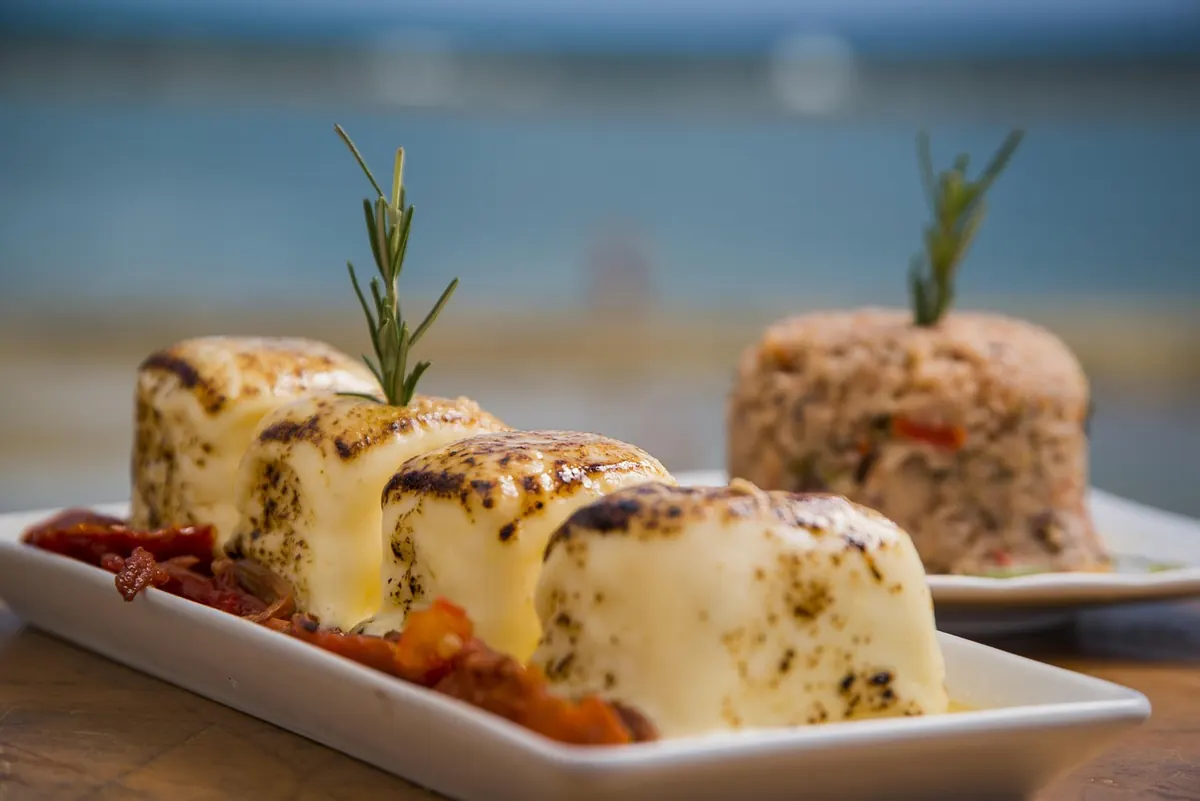
Photo: VALDO-SOUZA / Pixabay